

Perennial Herb · zones 5–10 · 2 varieties
Winter Savory
Satureja montana
Lamiaceae — the same plant family as english lavender, basil, bee balm, mint and 11 more here. Relatives share pests and diseases, which is why rotation plans group by family.
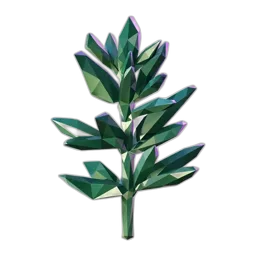
Winter Savory (Satureja montana) is a perennial herb for USDA zones 5–10. It wants full sun and pH 6–8 soil, with about 0.5–1 in of water weekly. Watch for aphids and root rot. Below: its full sourced profile from 5 extension sources, plus a planting calendar timed to your frost dates.
Typical dates for zone 6b — set your zone or ZIP for yours. This calendar assumes the crop is started indoors. Timing is a guide from the crop's sourced growth stages; confirm with your local frost dates and extension before you sow.
What we will not put a number on
We do not give a feeding rate for this crop, and that is deliberate rather than a gap. The figures published by extension services are pounds of nitrogen per acre for a production field — they do not convert safely to a raised bed or a pot without knowing your soil test and your fertilizer's analysis, and guessing errs toward burning roots. It is also why every chart you find online disagrees with the next one.
We give watering as a depth per week rather than gallons per plant, because that is how it is actually measured and how the published figures are written. A gallons-per-plant number depends on your spacing, your soil and whether the plant is in a pot — so it would look more precise than it is.
Site & soil
- Hardiness zones
- 5–10
- Sun
- Full sun
- Soil pH
- 6–8
- Soil texture
- Sandy, Rocky, Well drained
- Frost tolerance
- Hardy
No published figure for the temperature frost starts to hurt it and the temperature that would kill it. We looked — where a number is missing here it is missing from the research, not skipped. The crop’s frost and heat tolerance above still applies.
The plant
- Mature height
- 6–18 in
- Mature spread
- 12–18 in
- Growth rate
- Fastest
- Spacing in row
- 6–10 in
- Between rows
- 12–18 in
- Planting depth
- 0–0.125 inest
- Container size
- 1–2 gal — low end is the minimum, high end is betterest
- Support
- Self-supportingest
- Grown from
- Division, Cutting, Transplant, Direct sow
Water & feeding
- Water needs
- Low
- Water per week
- 0.5–1 in/wkest
- Critical water
- Establishmentest
- Feeding
- Low
Timing & fruiting
- Harvest cues
- Flower buds
Edible parts per source: leaf, flower.
Compiled from the extensions cited below. Which ones actually show up depends on your region — your extension's local list is the last word.
| Variety | Habit | Days | Color | What it is known for |
|---|---|---|---|---|
| Common Heirloom | Spreading | 60 | Green | NC State Extension records this asdraws bees and butterflies · gets by on less water |
| Creeping Heirloom | Spreading | — | Green | Mountain Valley Growers describes this asgrown to look at |
- Johnny's Selected Seeds
- Missouri Botanical Garden
- NC State Extension
- University of Georgia Extension
- University of Illinois Extension
We compile bare facts from these university-extension and horticultural sources, never copied prose. 13 of the 19 values on this page carry a citation. The rest are marked est; hover one and it says why — either nobody publishes a figure we could point at, or a person set it and attached no source. Figures vary with climate and seed source; confirm with your local extension before you buy.
Growing more than winter savory? Browse all crops, or grab the spacing calculator and frost date lookup. The free GardenTrack app remembers what you planted and where, then tells you what to do and when. Start free →