By Nik Crawley, founder of GardenTrack · Updated July 23, 2026
✓ In your garden
Waltham Butternut is the squash the word 'butternut' means: a smooth tan hourglass with a long solid neck of dense, sweet, no-strings orange flesh and its seeds tucked into the bulb end. It won an All-America Selections award in 1970 and has been the standard ever since. Two honest things set it apart: as a Cucurbita moschata it naturally resists the squash vine borer that wrecks other squash, and its 'stores all winter' fame is real only with a long season, a proper cure, and storage that never drops below 50°F.
it's yours — saved right here, no account
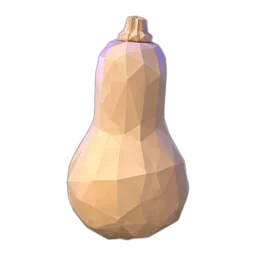
whole Waltham butternut squash — smooth tan hourglass fruits with long solid necks flaring to a bulbous blossom end, on a farm dish · Photo: Leonora Enking
(CC BY-SA 2.0, via Wikimedia Commons)
· source
“The reference butternut — a tan hourglass with dense, sweet, no-strings orange flesh packed into a solid neck, and naturally tougher for vine borers to crack than most squash, but it needs a long warm season (~105 days) and a real cure before it earns its 'stores all winter' reputation.”
Days to maturity~105 daysa genuinely long-season crop
Shape / sizetan hourglass, 3–5 lbsolid neck, seed cavity in the bulb only
Deep-orange flesh that's dense, dry, and sweet-nutty with no stringiness — the flavor most people picture as 'butternut,' and the reason Waltham won AAS in 1970 and set the standard. The solid neck is all usable flesh.
Ease & borer resistanceForgiving 5/5
Smooth thin rind makes it one of the easier winter squash to peel, and as a Cucurbita moschata it strongly resists squash vine borer — the pest that wrecks pepo and maxima squash. It's the butternut to grow where borers are bad.
Storage claimGood, not best 3/5
'Best storer' is overstated — extension caps butternut around 3 months while reserving 'up to 6 months' for hard-shelled Hubbard and Sweet Meat. With a good cure it's a reliable 3–6 months, but it doesn't out-store a Hubbard, and it must never be refrigerated (below ~50°F it chills and rots).
Season & spaceLong & sprawling 2/5
The ~105-day season is non-negotiable — in a cool or short summer it stays watery, bland, and non-storable, so short-season growers need an earlier mini-butternut. And the long vines sprawl hard (5–6 ft between rows), a poor fit for a small bed unless trellised.
The dependable, borer-resistant sweet squash — you just give it a long season, a real cure, and room to run.
SweetNuttyDenseNo strings
✓ Sweet, dense flesh + borer resistance~ Cure it — and never refrigerate a whole squash✗ Not a short-season crop, and not a Hubbard-level keeper
Numbers from university growing guides. Ratings are our take, judged against all winter squash. Tap a meter to see why.
Growing basics — shared by every winter squash
Waltham Butternut grows like any other winter squash. The full picture — how deep to plant, spacing, feeding, pests, harvest — lives on the Winter Squash page so it's maintained in one place.
Greenhouse or cover on: your start slides ~4 weeks earlier and your harvest stretches ~3 weeks later (shown striped).
Planting seeds straight in the ground only works where the season's long and warm — most gardeners start seeds indoors or buy young plants, or you'd pick your first tomato right as frost hits.
Comfortable — first ripe fruit lands around early Aug, well before your typical frost (~late Oct).
Plant seeds outside
early May – early May
Growing
early May – early Aug
Picking
early Aug – early Sep
Typical dates for zone 6b — set your zone or ZIP above for yours.
Growing Waltham Butternut — the things that trip people up
Grow it where squash vine borer wrecks your squash — as a Cucurbita moschata, butternut is the one type the borer largely leaves alone (moths rarely lay on it, larvae usually fail), unlike acorn, zucchini, hubbard, and kuri.
Give it a long, warm season and room. It needs ~105 days, so short-summer growers should count back from frost or grow an earlier mini-butternut (Honeynut, Butterbush). The long vines want 5–6 ft between rows.
Cure it, then store it right — this is where the 'keeps all winter' reputation is earned or lost. Cure 10–20 days at 70–80°F, then store around 50–55°F in a single layer, away from apples and pears. Never refrigerate a whole squash — below 50°F it suffers chilling injury and rots. Set your zone on the [winter squash page](/plants/squash-winter/) for your dates.
From university growing guides (see Sources).
Where Waltham Butternut comes from
Waltham Butternut is an American open-pollinated heirloom (Cucurbita moschata) selected at the Massachusetts Agricultural Experiment Station in Waltham and introduced by Robert E. Young. It won the All-America Selections award in 1970 and has been the standard-setting butternut ever since, refined from earlier butternut lines for a uniform, heavy-fleshed fruit with a near-neckless seed cavity.
That solid-neck breeding is the whole point: the seeds are confined to the bulb end, so the long neck is all usable flesh and the fruit has a high flesh-to-seed ratio — more squash to eat per pound than a big hollow-cored type.
Sweet, dense, and all usable
Cut a Waltham lengthwise and you see why it's the benchmark: deep-orange flesh runs solid down the whole neck, with the seed cavity and seeds tucked only into the bulbous blossom end. The flesh is dense, dry, and sweet-nutty with no stringiness — smooth for soups and purées, and it holds its shape roasted.
The smooth, thin tan rind is also one of the easier winter-squash skins to peel by hand, unlike a knobby hubbard. All of that — solid flesh, small cavity, peelable skin, no strings — is why it's the default squash for roasting, soup, pie, and baby food alike.
a butternut cut lengthwise — deep orange flesh running solid down the neck with the seed cavity and seeds only in the bulb end · Photo: Julian Fong
(CC BY-SA 2.0, via Wikimedia Commons)
· source
The squash the vine borer can't crack
Here's the trait that makes butternut worth planting even if you hate squash: it's a Cucurbita moschata, and that species strongly resists the squash vine borer. The moths rarely lay on its dense, tough stems, and the larvae that do hatch usually fail — where acorn, zucchini, and spaghetti (all C. pepo) and hubbard and kuri (C. maxima) get their stems hollowed out and collapse.
Be honest about the limit, though: borer resistance is not blanket pest immunity. Butternut still gets hit by squash bugs, by cucumber beetles and the bacterial wilt they carry, and by late-season powdery mildew. It just wins the one fight — the borer — that ruins most home squash patches.
Long season, real cure, honest storage
Two conditions turn a butternut from disappointing to excellent. First, the season: it needs about 105 warm days, and in a cool or short summer it may not finish — an unripe butternut is watery, bland, and won't keep. Short-season gardeners often do better with an earlier or mini butternut. Flavor also needs patience: cut straight off the vine it can taste starchy, and the sugars develop over the cure plus a few weeks of rest.
Second, the storage, which is where the reputation is won or lost. 'Stores all winter' is real only with a proper cure (10–20 days at 70–80°F) and the right conditions after: around 50–55°F, in a single layer, away from ethylene-releasing fruit like apples. And the honest correction to the marketing: extension pegs butternut at a solid 3–6 months — a good keeper, but it doesn't out-store a hard-shelled Hubbard. Never refrigerate a whole squash; below 50°F it chills and rots.
Growing Waltham Butternut
It's a warm-season crop — direct-sow or transplant only after frost danger passes and the soil is above 60–65°F. Give it full sun, rich well-drained soil, and steady moisture, and give the long vines real room: plants 24–36 inches apart with 5–6 feet between rows (or trellis it and support the heavy fruit).
Harvest when the rind is hard (a thumbnail won't dent it) and a uniform tan, ideally after a light vine die-back, cutting with about a one-inch stem left on — never carry a squash by the stem, since a broken stem invites rot. Then cure and store as above. It's bee-dependent for fruit set, so poor pollination in heat or low bee activity is the most common reason young fruit drops.
In the kitchen
Butternut is the all-purpose winter squash. Roasting halved or cubed is the default, where the dense dry flesh caramelizes; it purées silky into soups and bisques, mashes and freezes well, and stands in for pumpkin in pies and baked goods. Its mild, smooth flesh even makes good baby food.
The thin rind peels easily for cubing, and the seeds from the bulb cavity roast up like pumpkin seeds. Grown well and cured, it's the squash you reach for from fall through late winter — reliable, sweet, and endlessly useful.
Waltham Butternut winter squash at a glance
Waltham Butternut Winter Squash — at a glance
Type
Butternut
Grows as
Bush (determinate)
Days to ripe
105 days after you plant it outside
Color
Brown
Extra fields from seed-catalog listings and university growing guides. Days to ripe and disease resistance shift with your climate and seed source — double-check with your local extension office before you buy.
Watch: growing Waltham Butternut
Tips to Grow Amazing Butternut & Winter Squash · Gary Pilarchik (The Rusted Garden)How to Harvest & Cure Winter Squash for Storage · Gardenerd
Embedded from their creators on YouTube — full credit and views go to the channel.
Add Waltham Butternut to your garden
Save it and the plant lights up — kept right here in your browser, no account needed. It's the first thing GardenTrack starts remembering for you.
Plants you add here are saved in this browser. When you’re ready, you can take them into GardenTrack’s free app, and it tells you what to do and when.
Common questions about Waltham Butternut
Is Waltham Butternut resistant to squash vine borer?
Yes — as a Cucurbita moschata, butternut strongly resists the squash vine borer. The moths rarely lay eggs on its dense stems and the larvae usually fail, unlike acorn, zucchini, and spaghetti (C. pepo) or hubbard and kuri (C. maxima), which the borer wrecks. It's still vulnerable to squash bugs, cucumber beetles, and powdery mildew, but it wins the borer fight that ruins most squash patches.
How long does butternut squash store?
A solid 3 to 6 months if it's fully mature at harvest and properly cured — a good keeper, though extension notes that hard-shelled Hubbard-type squash out-store it (up to 6 months). Cure it 10–20 days at 70–80°F, then store around 50–55°F in a single layer. Critically, never refrigerate a whole squash: below ~50°F it suffers chilling injury and rots.
Why is my butternut squash bland or watery?
Usually it didn't finish. Butternut needs a long, warm ~105-day season, and one that's cool or short leaves the fruit unripe — watery, starchy, and non-storable. Flavor also develops after harvest, so even a ripe squash tastes better after the cure plus a few weeks of rest. Short-season gardeners often do better with an earlier mini-butternut.
When do I harvest Waltham Butternut?
When the rind is a uniform tan and hard enough that a thumbnail won't dent it, ideally after the vines start to die back. Cut it with about an inch of stem attached and don't carry it by the stem — a broken stem invites rot. Then cure it 10–20 days at 70–80°F before moving it to cool (50–55°F) storage.