

Winter Squash variety
Little Dipper Butternut Winter Squash
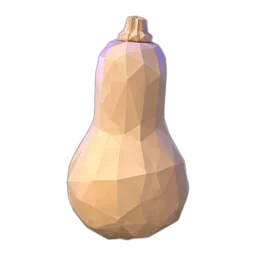 ✓ In your garden
Little Dipper Butternut is a butternut winter squash, ready in about 104 days. Let it mature to a hard rind and cure it in the sun, and it stores for months — roast it, mash it, or make soup. It’s a long-season, space-hungry vine; plant after frost.
“A hard-shelled winter squash that cures and stores for months.”
Growing basics — shared by every winter squash
Little Dipper Butternut grows like any other winter squash. The full picture — how deep to plant, spacing, feeding, pests, harvest — lives on the Winter Squash page so it's maintained in one place.
- Sun
- Full Sun
- Spacing (in row)
- 36–48 in
- Row spacing
- 72–96 in
- Planting depth
- 0.75–2 in
- Soil pH
- 6–6.5
- Water
- Moderate
What is Little Dipper Butternut good for?
- Roasting & soupSweet, dense flesh. Great
- Winter storageCured, it keeps for months. Great
- Eaten rawHard-shelled — it needs cooking. Skip it
From how it grows — kitchens vary.
What Little Dipper Butternut is known for
We hold one description of this variety and no record of who made it, so it is not printed here. An unattributed claim about a plant is a claim we would be making ourselves, and we would rather show you the gap than fill it.
—
Want the full 10/50/90% odds + nearest stations? Open the frost tool →When to plant Little Dipper Butternut in your zone
Zone 6bGreenhouse or cover on: your start slides ~4 weeks earlier and your harvest stretches ~3 weeks later (shown striped).
Planting seeds straight in the ground only works where the season's long and warm — most gardeners start seeds indoors or buy young plants, or you'd pick your first tomato right as frost hits.
Comfortable — first ripe fruit lands around mid Aug, well before your typical frost (~late Oct).
- Plant seeds outside
- early May – early May
- Growing
- early May – mid Aug
- Picking
- mid Aug – late Aug
Typical dates for zone 6b — set your zone or ZIP above for yours.
Growing Little Dipper Butternut — the things that trip people up
- Let it ripen fully on the vine — a rind you can’t dent with a thumbnail — then cut with a bit of stem and cure in the sun a week or two before storing.
- These are long-season, space-hungry vines. Give them a long warm summer, rich soil, and room to run, and watch for squash bugs and vine borers.
Little Dipper Butternut winter squash at a glance
| Type | Butternut |
|---|---|
| Grows as | Bush (determinate) |
| Days to ripe | 104 days after you plant it outside |
| Color | Brown |
Extra fields from seed-catalog listings and university growing guides. Days to ripe and disease resistance shift with your climate and seed source — double-check with your local extension office before you buy.
Save it and the plant lights up — kept right here in your browser, no account needed. It's the first thing GardenTrack starts remembering for you.
Kept on this device.
Plants you add here are saved in this browser. When you’re ready, you can take them into GardenTrack’s free app, and it tells you what to do and when.
Common questions about Little Dipper Butternut
How long does Little Dipper Butternut take to grow?
About 104 days to a fully mature fruit — a long-season crop, so start it early enough to beat your first fall frost.
How do I store Little Dipper Butternut?
Cure it in the sun for a week or two after harvest, then keep it somewhere cool and dry (not the fridge). Well-cured winter squash keeps for months.