

Tender Perennial Flower · zones 7–10 · 25 varieties
Snapdragon
Antirrhinum majus
Plantaginaceae — the only crop in its plant family here.
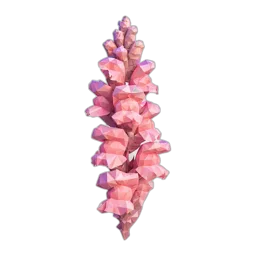
Snapdragon (Antirrhinum majus) is a tender perennial flower for USDA zones 7–10. It wants full sun and pH 6.2–7 soil, with about 1–1.5 in of water weekly. It matures in about 70–100 days from sowing, or 45–70 days from setting out a transplant. Watch for aphids and rust. Below: its full sourced profile from 6 extension sources, plus a planting calendar timed to your frost dates.
Typical dates for zone 6b — set your zone or ZIP for yours. This calendar assumes the crop is started indoors. Timing is a guide from the crop's sourced growth stages; confirm with your local frost dates and extension before you sow.
What we will not put a number on
We do not give a feeding rate for this crop, and that is deliberate rather than a gap. The figures published by extension services are pounds of nitrogen per acre for a production field — they do not convert safely to a raised bed or a pot without knowing your soil test and your fertilizer's analysis, and guessing errs toward burning roots. It is also why every chart you find online disagrees with the next one.
We give watering as a depth per week rather than gallons per plant, because that is how it is actually measured and how the published figures are written. A gallons-per-plant number depends on your spacing, your soil and whether the plant is in a pot — so it would look more precise than it is.
Site & soil
- Hardiness zones
- 7–10
- This is where snapdragons come back on their own. Below zone 7 they are killed by winter and grown as an annual — which is how they are sold and planted nearly everywhere.
- Sun
- Full sun
- Soil pH
- 6.2–7est
- Soil texture
- Clay, Loam, Sandy, Well drained
- Frost tolerance
- Half hardy
- Suffers in days above
- 80 °Fest
No published figure for the temperature frost starts to hurt it and the temperature that would kill it. We looked — where a number is missing here it is missing from the research, not skipped. The crop’s frost and heat tolerance above still applies.
The plant
- Mature height
- 0.5–3 ft
- Mature spread
- 6–12 in
- Growth rate
- Moderateest
- Spacing in row
- 4–12 in
- Between rows
- 6–12 inest
- Planting depth
- 0–0.0625 in
- Container size
- 1–2 gal — low end is the minimum, high end is betterest
- Support
- Needs staking or a trellis
- Grown from
- Transplant, Cutting
Water & feeding
- Water needs
- Moderate
- Water per week
- 1–1.5 in/wkest
- Critical water
- Establishment, Floweringest
- Feeding
- Moderate
Timing & fruiting
- Days to maturity
- 70–100 days from seed · 45–70 days from transplantest
- Harvest cues
- First flowers
Planted again for autumn
- Set plants out by
- early Sep typical · zone 6b
45 days to maturity from setting a plant out — that is what our sources measure for this crop, so this is a date for planting out and not a sowing date, counted back from the first frost above. Not published for anywhere in particular: it is your own frost date and this crop's own figure, which is why it works wherever you are. A days-to-maturity figure is a catalog number for a good season rather than a promise, and a cold month moves it.
Edible parts per source: flower.
Compiled from the extensions cited below. Which ones actually show up depends on your region — your extension's local list is the last word.
Different parts differ — the edible part is the flower; the notes below flag other parts or preparations.
PetsNon toxic to cats, Non toxic to dogs, Non toxic to horses
Recorded exactly as the source states it — not medical or veterinary advice. If a person or animal may have eaten a toxic part, call Poison Control (1-800-222-1222) or your vet / the ASPCA line (888-426-4435).
| Variety | Type | Habit | Days | Color | What it is known for |
|---|---|---|---|---|---|
| Animation Series | Animation | Upright | 45–70 | Bicolor | NC State Extension records this asgood for cutting and putting in a vase |
| Black Prince Heirloom | Dwarf | 45–70 | Red | ||
| Chantilly Bronze | Chantilly | Upright | 45–70 | Brown | |
| Chantilly Deep Orange | Chantilly | Upright | 45–70 | Orange | Swallowtail Garden Seeds describes this asgood for cutting and putting in a vase |
| Chantilly Light Salmon | Chantilly | Upright | 45–70 | Orange | Swallowtail Garden Seeds describes this asgood for cutting and putting in a vase |
| Chantilly Mix | Chantilly | Upright | 45–70 | Bicolor | |
| Chantilly Purple | Chantilly | Upright | 45–70 | Purple | |
| Cherry Twist | Upright | 45–70 | Bicolor | Select Seeds describes this asgood for cutting and putting in a vase | |
| Cinderella Mix | Semidwarf | Dwarf | 45–70 | Bicolor | W. Atlee Burpee & Co. (product copy, hosted via LateSeed.com reseller page) describes this asgood for cutting and putting in a vase |
| Floral Showers Mix F1 | Floral Showers | Dwarf | 45–70 | Urban Farmer Seeds describes this asgood for cutting and putting in a vase | |
| Liberty Classic Mix | Liberty | Upright | 45–70 | Bicolor | NC State Extension records this asgood for cutting and putting in a vase · the flowers are edible · deer usually leave it alone · draws bees and butterflies |
| Madame Butterfly Mix F1 | Madame Butterfly | Upright | 45–70 | Bicolor | Johnny's Selected Seeds describes this asextra rows of petals · good for cutting and putting in a vase |
| Opus Appleblossom | Opus | Upright | 45–70 | Bicolor | Ball Seed describes this asgood for cutting and putting in a vase |
| Opus Red | Upright | 45–70 | Red | Vis Seed Company describes this asgood for cutting and putting in a vase | |
| Opus Yellow | Upright | 45–70 | Yellow | The Gardener's Workshop describes this asgood for cutting and putting in a vase | |
| Potomac Ivory | Upright | 45–70 | White | ||
| Potomac Mix F1 | Potomac | Upright | 45–70 | Bicolor | Johnny's Selected Seeds describes this asgood for cutting and putting in a vase |
| Potomac Rose F1 | Upright | 45–70 | Pink | Johnny's Selected Seeds describes this asgood for cutting and putting in a vase | |
| Rocket Bronze | Upright | 45–70 | Brown | PanAmerican Seed describes this asgood for cutting and putting in a vase · takes the heat | |
| Rocket Mix F1 | Rocket | Upright | 45–70 | Bicolor | Johnny's Selected Seeds describes this asgood for cutting and putting in a vase · takes the heat |
| Rocket Rose | Upright | 45–70 | Pink | All-America Selections describes this asgood for cutting and putting in a vase | |
| Rocket White | Upright | 45–70 | White | PanAmerican Seed describes this asgood for cutting and putting in a vase · takes the heat | |
| Rocket Yellow | Upright | 45–70 | Yellow | PanAmerican Seed describes this asgood for cutting and putting in a vase · takes the heat | |
| Solstice Series | Solstice | Dwarf | 45–70 | Bicolor | Wellgrow Horti Trading describes this asgood for cutting and putting in a vase |
| Tutti Frutti | Dwarf | 45–70 | Bicolor | W. Atlee Burpee & Co. (product copy, hosted via LateSeed.com reseller page) describes this asgood for cutting and putting in a vase |
- Cornell University High Tunnels (Cornell Cooperative Extension)
- Johnny's Selected Seeds
- Mississippi State University Extension Service
- Missouri Botanical Garden
- NC State Extension
- University of Florida IFAS Extension
We compile bare facts from these university-extension and horticultural sources, never copied prose. 13 of the 21 values on this page carry a citation. The rest are marked est; hover one and it says why — either nobody publishes a figure we could point at, or a person set it and attached no source. Figures vary with climate and seed source; confirm with your local extension before you buy.
Growing more than snapdragon? Browse all crops, or grab the spacing calculator and frost date lookup. The free GardenTrack app remembers what you planted and where, then tells you what to do and when. Start free →