

Perennial Plant · zones 6–9 · 17 varieties
Scallion
Allium fistulosum
Amaryllidaceae — the same plant family as onion, garlic, leek, shallot and 1 more here. Relatives share pests and diseases, which is why rotation plans group by family.
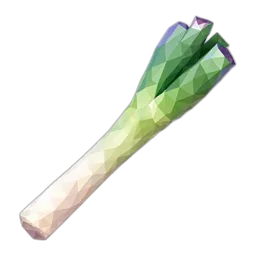
Scallion (Allium fistulosum) is a perennial plant for USDA zones 6–9. It wants full sun and pH 6.2–6.8 soil, with about 1 in of water weekly. It matures in about 50–80 days from sowing, or 45–65 days from setting out a transplant. Watch for onion maggot and fusarium basal rot. Below: its full sourced profile from 8 extension sources, plus a planting calendar timed to your frost dates.
Typical dates for zone 6b — set your zone or ZIP for yours. This calendar assumes the crop is started indoors. Timing is a guide from the crop's sourced growth stages; confirm with your local frost dates and extension before you sow.
What we will not put a number on
We do not give a feeding rate for this crop, and that is deliberate rather than a gap. The figures published by extension services are pounds of nitrogen per acre for a production field — they do not convert safely to a raised bed or a pot without knowing your soil test and your fertilizer's analysis, and guessing errs toward burning roots. It is also why every chart you find online disagrees with the next one.
We give watering as a depth per week rather than gallons per plant, because that is how it is actually measured and how the published figures are written. A gallons-per-plant number depends on your spacing, your soil and whether the plant is in a pot — so it would look more precise than it is.
Site & soil
- Hardiness zones
- 6–9
- This is where scallions overwinter as a perennial clump. Colder than zone 6 they are grown as an annual, sown each season, which is the usual way in any case.
- Sun
- Full sun
- Soil pH
- 6.2–6.8
- Soil texture
- Sandy loam, Loam, Well drained
- Frost tolerance
- Very hardy
No published figure for the temperature frost starts to hurt it, the temperature that would kill it and a heat limit. We looked — where a number is missing here it is missing from the research, not skipped. The crop’s frost and heat tolerance above still applies.
The plant
- Mature height
- 1–3 ft
- Mature spread
- 6–12 inest
- Growth rate
- Fastest
- Spacing in row
- 1–3 in
- Between rows
- 12–18 in
- Planting depth
- 0.25–0.5 in
- Container size
- 1–3 gal — low end is the minimum, high end is betterest
- Support
- Self-supportingest
- Grown from
- Direct sow, Transplant, Sets
Water & feeding
- Water needs
- Moderate
- Water per week
- 1 in/wk
- Critical water
- Germination, Establishmentest
- Feeding
- Moderate
Timing & fruiting
- Days to maturity
- 50–80 days from seed · 45–65 days from transplant
- Harvest cues
- Rapid leaf growth
There is no line here for whether the seed needs light or dark to come up, because we have no figure to put there. We went looking and wrote down what we read — it is missing on purpose, not because nobody checked.
Planted again for autumn
- Set plants out by
- early Sep typical · zone 6b
45 days to maturity from setting a plant out — that is what our sources measure for this crop, so this is a date for planting out and not a sowing date, counted back from the first frost above. Not published for anywhere in particular: it is your own frost date and this crop's own figure, which is why it works wherever you are. A days-to-maturity figure is a catalog number for a good season rather than a promise, and a cold month moves it.
Edible parts per source: leaf, stem.
Compiled from the extensions cited below. Which ones actually show up depends on your region — your extension's local list is the last word.
Interplanted onions confused carrot rust fly in some trials and did nothing in others. Worth a try, not a bet.
Chart canon, both directions.
Old chart pairing; both hold cool-season beds.
On the classic charts — lettuce's own row lists onions.
Chart canon says onions and garlic make good tomato neighbors. No trials to point at, no conflict either.
Companion pairings from university extensions; badge = how strong the evidence is.
| Variety | Type | Days | Color | Disease | What it is known for |
|---|---|---|---|---|---|
| Crimson Forest Heirloom | Bunching | 60 | Red | ||
| Deep Purple | Bunching | 60 | Red, Purple | Johnny's Selected Seeds describes this astakes the cold | |
| Evergreen Hardy White Heirloom | Bunching | 65 | White | Johnny's Selected Seeds describes this astakes the cold | |
| Feast | Bunching | 65 | DOWNY_MILDEW | ||
| Guardsman | Bunching Bulb Cross | 50 | Johnny's Selected Seeds describes this astakes the cold | ||
| He-Shi-Ko Heirloom | Bunching | 60 | White | True Leaf Market describes this astakes the cold | |
| Ishikura Heirloom | Bunching | 60 | White | True Leaf Market describes this astakes the heat · takes the cold | |
| Kincho | Bunching | 50 | White | ||
| Nabechan F1 | Negi | 45–65 | SeedsDay describes this astakes the heat | ||
| North Holland Blood Red Heirloom | Dual Purpose | 60 | Red | ||
| Parade | Bunching | 65 | White | ||
| Ramrod | Lisbon | 65 | White | West Coast Seeds describes this astakes the cold | |
| Red Beard Heirloom | Bunching | 65 | Red | ||
| Tokyo Long White Heirloom | Bunching | 65 | White | PINK_ROOT SMUT | |
| Warrior | Bunching | 60 | PINK_ROOT | ||
| White Lisbon Heirloom | Bunching | 60 | White | Botanical Interests describes this astakes the cold · takes the heat | |
| White Spear | Bunching | 65 | White | Johnny's Selected Seeds describes this astakes the heat |
- Clemson Cooperative Extension, Home & Garden Information Center
- Iowa State University Extension and Outreach
- Johnny's Selected Seeds
- Missouri Botanical Garden
- Sow True Seed
- UC Master Gardeners of Santa Clara County (UC ANR)
- University of Minnesota Extension
- Utah State University Extension
We compile bare facts from these university-extension and horticultural sources, never copied prose. 15 of the 20 values on this page carry a citation. The rest are marked est; hover one and it says why — either nobody publishes a figure we could point at, or a person set it and attached no source. Figures vary with climate and seed source; confirm with your local extension before you buy.
Growing more than scallion? Browse all crops, or grab the spacing calculator and frost date lookup. The free GardenTrack app remembers what you planted and where, then tells you what to do and when. Start free →