

Onion variety
Red Amposta Onion
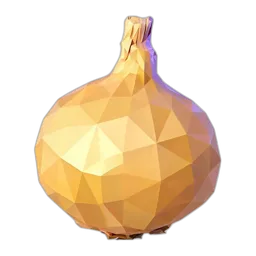 ✓ In your garden
Red Amposta is a red intermediate day onion, ready in about 115 days. It’s an intermediate-day onion — best in the middle band of the country. Day length is the make-or-break for onions — pick the wrong type for your latitude and the bulbs stay small. Start from seed or sets in early spring.
“A bulb onion — match the type to your latitude.”
Growing basics — shared by every onion
Red Amposta grows like any other onion. The full picture — how deep to plant, spacing, feeding, pests, harvest — lives on the Onion page so it's maintained in one place.
- Sun
- Full Sun
- Spacing (in row)
- 3–4 in
- Row spacing
- 12–18 in
- Planting depth
- 1–1.5 in
- Soil pH
- 6–7
- Water
- Moderate
What is Red Amposta good for?
- CookingSautéed, roasted, raw. Great
- StoringPungent storage types cure and keep for months; sweet types (Walla Walla, Vidalia, 1015Y) don’t — eat those within weeks. Skip it
- Fresh & rawMilder and sweet types shine raw. Great
From how it grows — kitchens vary.
—
Want the full 10/50/90% odds + nearest stations? Open the frost tool →When to plant Red Amposta in your zone
Zone 6bGreenhouse or cover on: your start slides ~4 weeks earlier and your harvest stretches ~3 weeks later (shown striped).
Planting seeds straight in the ground only works where the season's long and warm — most gardeners start seeds indoors or buy young plants, or you'd pick your first tomato right as frost hits.
Comfortable — first ripe fruit lands around mid Jul, well before your typical frost (~late Oct).
- Start seeds indoors
- mid Feb – mid Feb
- Toughen up outside
- mid Mar – mid Mar
- Move plants outside
- mid Mar – mid Mar
- Plant seeds outside
- mid Mar – early Apr
- Growing
- mid Mar – mid Jul
- Picking
- mid Jul – late Jul
Typical dates for zone 6b — set your zone or ZIP above for yours.
What to plant near Red Amposta — and what to keep away
-
CarrotsTrialed
Interplanted onions confused carrot rust fly in some trials and did nothing in others. Worth a try, not a bet.
-
BeetsTraditional
Chart canon, both directions.
-
Cabbage familyTraditional
Old chart pairing; both hold cool-season beds.
-
LettuceTraditional
On the classic charts — lettuce's own row lists onions.
-
TomatoTraditional
Chart canon says onions and garlic make good tomato neighbors. No trials to point at, no conflict either.
The badge is the honesty. Trialed = a published field trial · Practical = a real mechanism · Traditional = companion-chart lore. These pairings hold for every onion.
Pairings compiled from University of Minnesota Extension, West Virginia University Extension.
Growing Red Amposta — the things that trip people up
- Match the type to your latitude: long-day onions for the North, short-day for the South, intermediate in between — this is the single biggest factor in whether you get big bulbs.
- Onions are shallow-rooted and weak against weeds. Keep them weeded and evenly watered, ease off water as the tops fall over, then cure the bulbs in a dry, airy spot before storing.
Red Amposta onion at a glance
| Type | Intermediate Day |
|---|---|
| Days to ripe | 115 days after you plant it outside |
| Color | Red |
Extra fields from seed-catalog listings and university growing guides. Days to ripe and disease resistance shift with your climate and seed source — double-check with your local extension office before you buy.
Save it and the plant lights up — kept right here in your browser, no account needed. It's the first thing GardenTrack starts remembering for you.
Kept on this device.
Plants you add here are saved in this browser. When you’re ready, you can take them into GardenTrack’s free app, and it tells you what to do and when.
Common questions about Red Amposta
How long does Red Amposta take to grow?
About 115 days from sowing. Start seed or sets in early spring for summer bulbs.
Will Red Amposta bulb where I live?
It’s a intermediate day onion, so it bulbs best in the middle latitudes. Match the day-length type to your latitude for full-size bulbs.
Browse more onion varieties →