By Nik Crawley, founder of GardenTrack · Updated July 23, 2026
✓ In your garden
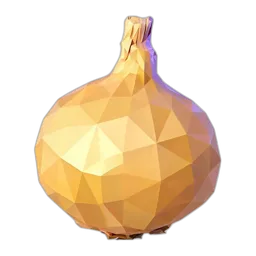
Borettana Cipollini is the flat, golden Italian onion you've seen glazed whole in agrodolce — a small, squat disc, clearly wider than it is tall, grown for its sugar and its shape rather than its size. Roasted, its high sugar turns soft, glossy, and jammy, which is the whole point of it. The honest trade-offs: each bulb is small and fiddly to peel, it's a specialty roasting onion rather than a slicer or keeper, and — despite its Italian roots — it wants mid-to-northern latitudes to bulb well.
it's yours — saved right here, no account
a pile of cipollini onions — small, squat, flattened golden-straw discs, plainly wider than tall, with slender papery necks · Photo: Paul VanDerWerf
(CC BY 2.0, via Wikimedia Commons)
· source
“A flat, golden Italian heirloom you grow for the sugar and the disc shape, not the size — each bulb is a small, sweet, roast-it-whole button, and it only bulbs reliably in mid-to-northern gardens.”
Days to maturity100–110 daysfrom transplant; start early or use sets
Shapeflat disc / buttonwider than tall — the whole ID
Sizesmall, 2–3 in wideunder ~1 in thick
Day lengthintermediate-to-longreliable ~≥35–36°N; not Gulf-Coast
Roasted wholeCaramel bomb 5/5
The high sugar caramelizes and roasts into something soft, glossy, and almost jammy, and the flat shape cooks evenly — which is exactly why it anchors agrodolce and is the onion chefs reach for to roast or glaze whole.
Sweetness & flavorSweet & mild 5/5
One of the higher-sugar common onions, with fine-grained flesh — sweet, mild, and low in bite, not sharp or pungent raw. The magic is what heat does to that sugar.
Size & yieldSmall & fiddly 2/5
Small bulbs mean fiddly peeling — the flat shape plus tight papery skin makes each little onion a chore, and you harvest many small onions instead of a few big ones. It's a specialty roasting onion, not a volume slicer or a storage-bin workhorse.
Day-length fitMid-to-north only 2/5
Vendors label it inconsistently (long, intermediate, and wrongly short-day). It behaves as an intermediate-to-long-day onion, reliable roughly north of 35–36°N — it is NOT a true short-day Gulf-Coast onion, so far-southern growers get poor or premature bulbing.
A sweet little roasting jewel — you just accept small, fiddly bulbs and the right latitude.
SweetMildFine-grainedCaramelizes
✓ The whole-roast sweet button~ Small & fiddly — a specialty onion✗ Not a slicer or a Gulf-Coast short-day
Numbers from university growing guides. Ratings are our take, judged against all onions. Tap a meter to see why.
Growing basics — shared by every onion
Borettana Cipollini grows like any other onion. The full picture — how deep to plant, spacing, feeding, pests, harvest — lives on the Onion page so it's maintained in one place.
Greenhouse or cover on: your start slides ~4 weeks earlier and your harvest stretches ~3 weeks later (shown striped).
Planting seeds straight in the ground only works where the season's long and warm — most gardeners start seeds indoors or buy young plants, or you'd pick your first tomato right as frost hits.
Comfortable — first ripe fruit lands around late Jun, well before your typical frost (~late Oct).
Start seeds indoors
mid Feb – mid Feb
Toughen up outside
mid Mar – mid Mar
Move plants outside
mid Mar – mid Mar
Plant seeds outside
mid Mar – early Apr
Growing
mid Mar – late Jun
Picking
late Jun – late Jul
Typical dates for zone 6b — set your zone or ZIP above for yours.
What to plant near Borettana Cipollini — and what to keep away
✓ Good neighbors
CarrotsTrialed
Interplanted onions confused carrot rust fly in some trials and did nothing in others. Worth a try, not a bet.
BeetsTraditional
Chart canon, both directions.
Cabbage familyTraditional
Old chart pairing; both hold cool-season beds.
LettuceTraditional
On the classic charts — lettuce's own row lists onions.
TomatoTraditional
Chart canon says onions and garlic make good tomato neighbors. No trials to point at, no conflict either.
✗ Keep apart
The badge is the honesty.Trialed = a published field trial · Practical = a real mechanism · Traditional = companion-chart lore. These pairings hold for every onion.
Pairings compiled from University of Minnesota Extension, West Virginia University Extension.
Growing Borettana Cipollini — the things that trip people up
Grow it for one job: roasting and glazing whole. The flat disc shape and high sugar are built for it — it caramelizes glossy and jammy and anchors Italian agrodolce. Don't grow it expecting a big slicing or storage onion.
Match your latitude. It behaves as an intermediate-to-long-day onion, reliable roughly north of 35–36°N — not a true short-day Gulf-Coast onion. Be skeptical of any 'short-day' label; far-southern growers should pick a short-day cipollini instead.
Start it early. Bulb size is set by how many leaves the plant grows before day length triggers bulbing, so start seed 8–10 weeks before your last frost (or use transplants/sets) for the biggest buttons. Set your zone on the [onion page](/plants/onion/) for your dates.
From university growing guides (see Sources).
Where Borettana comes from
Borettana is an Italian heirloom onion named for the town of Boretto in Reggio Emilia, in the Po Valley (about 45°N), where the 'cipolla borettana' has been grown since roughly the 1400s. 'Cipollini' is Italian for 'little onions' and names the flat-onion type generally; Borettana is the classic golden variety of that type. It's open-pollinated, not a hybrid.
That ~45°N Italian origin is a useful clue to how it grows — it's a northern-Italian onion, which lines up with its intermediate-to-long-day behavior in the garden.
The flat disc is the whole point
The shape is the entire identity: a flat, squat disc or button — like a squashed sphere or a small hockey puck, clearly wider than it is tall. The bulbs are small, roughly 2 to 3 inches wide but under an inch thick, with thin, glossy straw-gold to coppery skin over white, fine-grained flesh. In the garden they sit high, shoulders often exposed at the soil surface, which is typical of the cipollini type.
That flat shape isn't a flaw, it's a design: it's built to be cooked whole — roasted, glazed, or skewered — where it cooks evenly and holds together, not sliced into rings. Grow it for that, and it delivers.
Day length — and the label muddle
Onions bulb in response to day length, and getting the type right for your latitude is the difference between a real onion and a dud. Here Borettana comes with a genuine muddle: vendors label it inconsistently — you'll see it called long-day, intermediate-day, and (wrongly) short-day.
The best-supported answer is that it behaves as an intermediate-to-long-day onion. As a ~45°N Italian heirloom it bulbs reliably in the middle and northern latitudes — roughly north of 35–36°N (Fedco pegs it to about 38–50°N). It is NOT a true short-day Gulf-Coast onion, so Deep-South growers who treat it as short-day get poor or premature bulbing. If a listing says 'short-day' for this specific variety, be skeptical, and southern growers should choose a short-day cipollini instead.
Small and fiddly — a specialty onion
Go in with the right expectations. These are small onions, so you harvest many little bulbs instead of a few big ones, and there's not much usable onion per bulb — the flat shape plus tight papery skin makes each one fiddly to peel. This is a specialty roasting onion, not the volume slicer or storage workhorse of your kitchen.
It's sweet and mild, which is the appeal — but sweeter, high-sugar onions generally store less long than pungent globe onions (Borettana keeps a decent 3–5 months for a sweet onion, but not like a sharp yellow keeper) and they scorch fast when caramelizing, so keep the heat moderate. None of that is a knock; it's just what a cipollini is for.
Growing Borettana
Start seed indoors about 8–10 weeks before your last frost (or use transplants or sets), because bulb size is set by how many leaves the plant grows before day length triggers bulbing — early, vigorous tops mean bigger buttons. Give it full sun, fertile well-drained soil at pH ~6.0–7.0, and steady moisture and nitrogen early, then ease off feeding once bulbing starts. Space plants about 3–4 inches apart.
Match the variety to your latitude (it fits roughly the mid and northern US). Harvest when about half the tops flop over and necks soften, then cure 2–3 weeks in a warm, dry, well-ventilated spot until the skins are papery and necks tight. Store cool and dry, and use within a few months.
In the kitchen
Roasting whole is the signature use — the flat shape cooks evenly and the sugar caramelizes into something soft and jammy. From there it glazes and braises beautifully (butter, balsamic, the classic agrodolce), holds together whole on skewers and kebabs, and caramelizes for pizza, tarts, and pasta.
It also pickles or preserves in oil (the Italian sott'olio), and it's lovely in a cream or gratin side where a whole sweet onion shines. What it's not is a slicing onion for rings or a pungent base for a long-simmered stock — reach for a globe onion there, and keep the cipollini for the roasting pan.
Borettana Cipollini onion at a glance
Borettana Cipollini Onion — at a glance
Type
Cipollini
Days to ripe
105 days after you plant it outside
Color
Yellow
Extra fields from seed-catalog listings and university growing guides. Days to ripe and disease resistance shift with your climate and seed source — double-check with your local extension office before you buy.
Watch: growing Borettana Cipollini
In The Garden with Karen: Cipollini Onions · Karen CrouseFail No More With These Seed Starting Tips For Onions · MIgardener
Embedded from their creators on YouTube — full credit and views go to the channel.
Add Borettana Cipollini to your garden
Save it and the plant lights up — kept right here in your browser, no account needed. It's the first thing GardenTrack starts remembering for you.
Plants you add here are saved in this browser. When you’re ready, you can take them into GardenTrack’s free app, and it tells you what to do and when.
Common questions about Borettana Cipollini
Is Borettana Cipollini a short-day or long-day onion?
Intermediate-to-long-day, despite vendors labeling it inconsistently (some wrongly call it short-day). As a ~45°N Italian heirloom it bulbs reliably roughly north of 35–36°N (about 38–50° latitude). It is not a true short-day Gulf-Coast onion, so far-southern growers get poor or premature bulbing and should choose a short-day cipollini instead.
Why are cipollini onions so small?
That's the type — cipollini ('little onions') are naturally small, flat disc-shaped bulbs, roughly 2–3 inches wide and under an inch thick. You grow them for their sweetness and their roast-whole shape, not for size, so you harvest many small onions rather than a few big ones. The small size makes them a bit fiddly to peel.
What do you do with cipollini onions?
Cook them whole — that's what the flat shape is for. Roast, glaze, or braise them (agrodolce is the classic), thread them on skewers, or caramelize them for pizza and pasta. Their high sugar turns soft and jammy with heat. They're a specialty roasting onion, not a slicer for rings or a base for long-simmered stocks.
Do cipollini onions store well?
Decently for a sweet onion — about 3 to 5 months, into late winter if well cured — but not like a sharp yellow storage onion. High-sugar onions keep less long than pungent ones. Cure them 2–3 weeks until the skins are papery and necks tight, store cool and dry, and use within a few months.