By Nik Crawley, founder of GardenTrack · Updated July 22, 2026
✓ In your garden
Marketmore 76 is the dependable garden slicer — a Cornell-bred, open-pollinated cucumber from 1976 with an uncommon mix of stacked disease resistance, straight 8–9 inch dark green fruit, and a mild, non-bitter flavor that holds up even in hot weather. It's a vining plant that does best on a trellis, and because it's open-pollinated you can save its seed. Pick it young and it produces for weeks.
it's yours — saved right here, no account
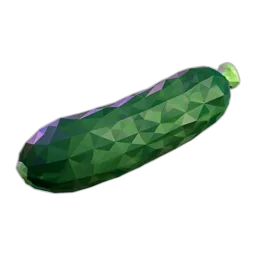
a single Marketmore slicing cucumber — the straight, smooth, dark green fruit with fine pale spine-flecks · Photo: J.P.Lon
(Public domain, via Wikimedia Commons)
· source
SlicingDisease-resistantVining
“The reliable, seed-saveable slicer — dark green fruit that stays its color and its non-bitter flavor even in the heat.”
Days to first pick58–68 daysfrom direct sowing
Fruit8–9 in slicerstraight, smooth, dark green
Plantvininggive it a trellis
Resistsscab, CMV, PM, DMstacked resistance
Disease resistanceStacked 5/5
Broad resistance packed into an open-pollinated variety — high to scab, intermediate to cucumber mosaic virus and powdery mildew, with downy mildew resistance noted too. Uncommon in a seed-saveable cucumber.
DependabilityA workhorse 5/5
Straight, uniform, dark green fruit that holds its color and low bitterness even in hot weather — the standard home-garden slicer across the northern US since 1976.
'Never bitter' claimLow-bitterness, not magic 4/5
Genuinely selected for low bitterness, but any cucumber left to over-ripen can still turn bitter — pick it young.
Newer hybridsStill a strong pick 4/5
Newer hybrids can carry even more resistance, but few match Marketmore's mix of resistance, flavor, and seed-saveability.
An honest workhorse — not the flashiest, but hard to beat for reliability and seed-saving.
MildCrispCleanLow-bitterness
✓ The dependable garden slicer~ Pick young — trellis it✗ Not a pickling type
Numbers from university growing guides. Ratings are our take, judged against all cucumbers. Tap a meter to see why.
Growing basics — shared by every cucumber
Marketmore 76 grows like any other cucumber. The full picture — how deep to plant, spacing, feeding, pests, harvest — lives on the Cucumber page so it's maintained in one place.
Young & firmPrime — pickSizing upYellowing — too far
Pick young and firm at about 8–9 inches while the skin is still dark green and glossy. Once a cucumber pales, yellows, or fattens with hard seeds it turns bitter — and over-ripe fruit left on the vine signals the plant to stop setting more, so pick every day or two at peak.
The stages: Young & firm → Prime — pick → Sizing up → Yellowing — too far. Grab it at that last stage.
Greenhouse or cover on: your start slides ~4 weeks earlier and your harvest stretches ~3 weeks later (shown striped).
Planting seeds straight in the ground only works where the season's long and warm — most gardeners start seeds indoors or buy young plants, or you'd pick your first tomato right as frost hits.
Comfortable — first ripe fruit lands around late Jun, well before your typical frost (~late Oct).
Start seeds indoors
mid Mar – mid Mar
Toughen up outside
late Apr – early May
Move plants outside
early May – early May
Plant seeds outside
early May – early May
Growing
early May – late Jun
Picking
late Jun until frost (~late Oct)
Typical dates for zone 6b — set your zone or ZIP above for yours.
Growing Marketmore 76 — the things that trip people up
Pick young and pick often — 8–9 inches, dark green and firm. A cucumber left to yellow and fatten turns seedy and bitter and tells the vine to quit, so harvest every day or two at the peak.
Give it a trellis. It's a vining plant, and climbing keeps the fruit straight and clean, improves airflow (which fights disease), and saves ground space.
Its real edge is disease resistance — high to scab, intermediate to cucumber mosaic virus and powdery mildew, plus downy mildew — packed into an open-pollinated variety you can save seed from.
From university growing guides (see Sources).
Where Marketmore 76 comes from
Marketmore 76 was bred by Dr. Henry Munger at Cornell University and released in 1976, following his original Marketmore of 1968. It came out of a Cornell program aimed squarely at stacking disease resistance into a reliable, non-bitter home-garden slicer.
It worked. Marketmore 76 became a standard open-pollinated slicing cucumber across the northern US, and it's still one of the most widely grown garden slicers — the kind of dependable, unflashy variety that just keeps producing.
What it's for
This is a slicer, not a pickler. It's grown to be eaten fresh — sliced raw into salads, layered on sandwiches, or in a bowl of cucumber-and-onion — where its crisp, mild, clean flavor and small seed cavity shine.
Its standout trait is holding that non-bitter flavor and dark green color even in hot weather, when many cucumbers turn bitter and pale. Small young fruits can still be pickled in a pinch, but for real pickling you want a dedicated pickling type.
Growing Marketmore 76
Cucumbers are warm-season and thirsty. Wait until after frost with warm soil to sow or transplant, give them full sun, and keep the water steady — uneven watering is a big cause of misshapen, bitter fruit.
It's a vining plant, so give it a trellis: climbing keeps the fruit straight and clean, opens up airflow that fights disease, and saves space. Cucumbers also need pollinators to set fruit, so keep the bees happy. Set your zone on the cucumber page and the calendar pins your sow and plant-out dates.
Marketmore cucumbers growing on a trellis, with the vine's yellow flowers and broad leaves · Photo: Forest and Kim Starr
(CC BY 2.0, via Wikimedia Commons)
· source
The real edge: disease resistance
The honest reason to grow Marketmore 76 isn't a flavor superlative — it's the disease package. It carries high resistance to scab and intermediate resistance to cucumber mosaic virus and powdery mildew, with downy mildew resistance noted as well, all bred into an open-pollinated variety you can save seed from.
That combination — broad resistance plus seed-saveability plus heat-stable, low-bitterness fruit — is genuinely uncommon. Newer hybrids can carry even stronger resistance, but few match the whole package in a variety you can keep going yourself.
When to pick
Pick young and firm, at about 8–9 inches, while the skin is still dark green and glossy. That's the crisp, mild, small-seeded stage.
Don't let fruit yellow, fatten, or go seedy — over-ripe cucumbers turn bitter, and worse, ripe fruit left on the vine tells the plant to stop making new ones. Harvest every day or two at the peak and the vine keeps cranking out cucumbers for weeks.
What goes wrong — and the fixes
Bitter fruit. Usually from heat and water stress or from leaving cucumbers on too long. Keep the water even and pick young — Marketmore is bred to be low-bitterness, but no cucumber is immune once it over-ripens. The bitter compound concentrates near the stem end and just under the skin, so peeling and trimming that end helps a bitter one.
Cucumber beetles and wilt. Striped and spotted cucumber beetles chew plants and can spread bacterial wilt. Watch for them early, and lean on Marketmore's resistance plus good airflow from trellising to keep foliar diseases down.
Marketmore 76 cucumber at a glance
Marketmore 76 Cucumber — at a glance
Type
Slicing
Grows as
Tall vine (indeterminate)
Days to ripe
65 days after you plant it outside
Color
Green
Extra fields from seed-catalog listings and university growing guides. Days to ripe and disease resistance shift with your climate and seed source — double-check with your local extension office before you buy.
Watch: growing Marketmore 76
How to Grow Cucumbers — complete growing guide · MIgardenerHow to grow cucumbers vertically on a trellis · Hollis and Nancys Homestead
Embedded from their creators on YouTube — full credit and views go to the channel.
Add Marketmore 76 to your garden
Save it and the plant lights up — kept right here in your browser, no account needed. It's the first thing GardenTrack starts remembering for you.
Plants you add here are saved in this browser. When you’re ready, you can take them into GardenTrack’s free app, and it tells you what to do and when.
Common questions about Marketmore 76
Is Marketmore 76 a slicing or pickling cucumber?
A slicing cucumber — grown for fresh eating, with straight 8–9 inch dark green fruit for salads and sandwiches. You can pickle very small young fruits, but for real pickling use a dedicated pickling variety.
Why is Marketmore 76 so popular?
Its disease package. It combines high resistance to scab and intermediate resistance to cucumber mosaic virus and powdery mildew (plus downy mildew) with heat-stable, low-bitterness fruit — all in an open-pollinated variety you can save seed from. That mix has made it a standard garden slicer since 1976.
When do you pick Marketmore 76 cucumbers?
Pick them young and firm at about 8–9 inches while the skin is still dark green and glossy. Don't let them yellow or fatten — over-ripe fruit turns bitter and signals the vine to stop producing. Harvest every day or two at peak.
Does Marketmore 76 need a trellis?
It does best on one. It's a vining plant, and climbing keeps the fruit straight and clean, improves airflow to reduce disease, and saves ground space. It'll sprawl on the ground too, but trellised fruit is straighter and healthier.