

Bush Bean variety
Antigua Bush Bean
 ✓ In your garden
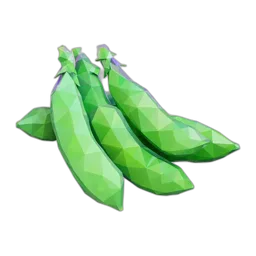
Antigua is a snap bean (bush), ready in about 60 days. Pick the pods young and tender and eat them whole — steamed, sautéed, or raw. Beans are easy warm-season crops — sow the seed straight in the ground after frost (they hate being transplanted), and no support needed — it holds itself up.
“A snap bean you eat pod and all, picked young and tender.”
Growing basics — shared by every bush bean
Antigua grows like any other bush bean. The full picture — how deep to plant, spacing, feeding, pests, harvest — lives on the Bush Bean page so it's maintained in one place.
- Sun
- Full Sun
- Spacing (in row)
- 2–4 in
- Row spacing
- 24–36 in
- Planting depth
- 1 in
- Soil pH
- 6–7
- Water
- Moderate
What is Antigua good for?
- Fresh eating (pods)Steamed, sautéed, or raw — pick young. Great
- Freezing / canningBlanch and freeze the surplus. Great
- Dried beansGrown for tender pods, not dry seed. Skip it
From how it grows — kitchens vary.
What Antigua is known for
Botanical Interests describes this as:
- takes the heat
That is the company selling the seed, describing its own product. True, and worth weighing as such.
—
Want the full 10/50/90% odds + nearest stations? Open the frost tool →When to plant Antigua in your zone
Zone 6bGreenhouse or cover on: your start slides ~4 weeks earlier and your harvest stretches ~3 weeks later (shown striped).
Planting seeds straight in the ground only works where the season's long and warm — most gardeners start seeds indoors or buy young plants, or you'd pick your first tomato right as frost hits.
Comfortable — first ripe fruit lands around late Jun, well before your typical frost (~late Oct).
- Plant seeds outside
- late Apr – early May
- Growing
- early May – late Jun
- Picking
- late Jun – early Jul
Typical dates for zone 6b — set your zone or ZIP above for yours.
Growing Antigua — the things that trip people up
- Pick the pods young, before the seeds bulge them, and pick every couple of days — the more you pick, the more the plant makes.
- A bush bean: it stays knee-high and sets its crop over a couple of weeks — sow a second batch a few weeks later for a longer harvest.
Antigua bush bean at a glance
| Type | Snap |
|---|---|
| Grows as | Bush (determinate) |
| Days to ripe | 60 days after you plant it outside |
| Color | Green |
Extra fields from seed-catalog listings and university growing guides. Days to ripe and disease resistance shift with your climate and seed source — double-check with your local extension office before you buy.
Save it and the plant lights up — kept right here in your browser, no account needed. It's the first thing GardenTrack starts remembering for you.
Kept on this device.
Plants you add here are saved in this browser. When you’re ready, you can take them into GardenTrack’s free app, and it tells you what to do and when.
Common questions about Antigua
How long does Antigua take to grow?
About 60 days from sowing to the first tender pods.
Is Antigua a bush or pole bean?
A bush bean — it’s self-supporting and sets its crop in a shorter window.
Can I start Antigua indoors?
Better not — beans resent transplanting. Sow the seed straight in warm soil after your last frost.
Browse more bush bean varieties →